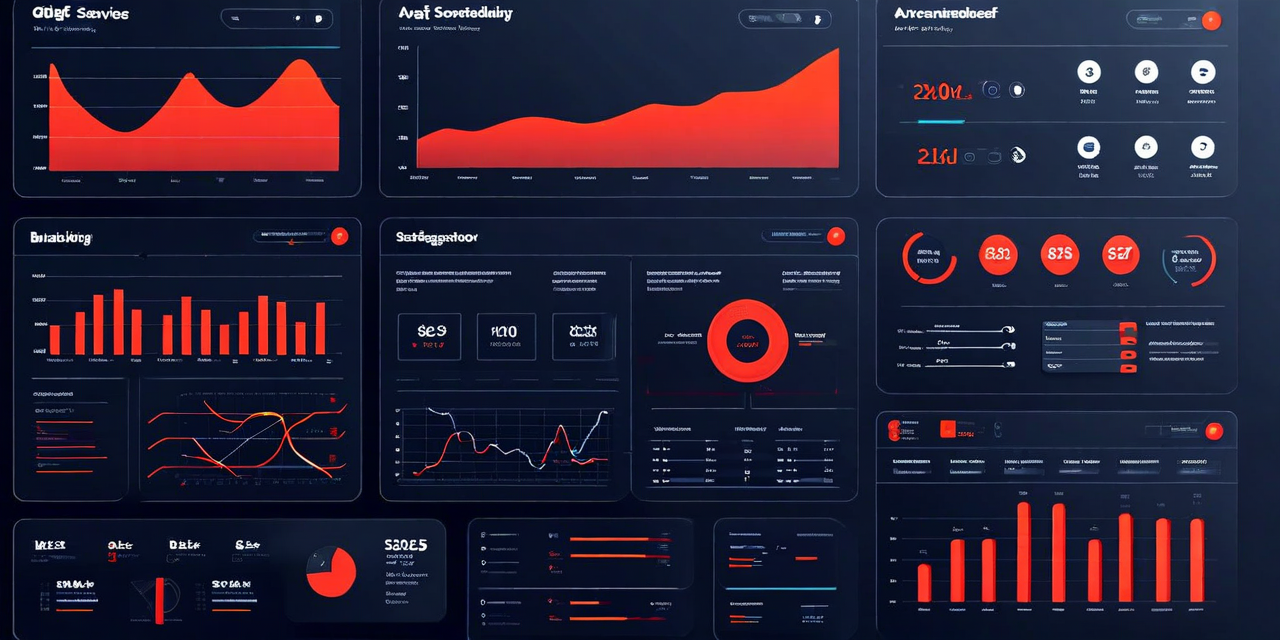
The original promise of self-service analytics was simple: give business users direct access to data without requiring a data analyst intermediary for every query. Platforms like Tableau, Power BI, and Qlik made significant strides toward this goal throughout the 2010s. By 2020, the concept was well established. By 2025, it is being fundamentally reinvented.
The next generation of self-service analytics is not an incremental improvement on drag-and-drop dashboards. It is a category shift driven by AI — specifically by the convergence of large language models, automated machine learning, and agentic AI systems that can reason about data on behalf of users who never open a visualization tool at all.
The Limits of First-Generation Self-Service
First-generation self-service analytics improved data access without eliminating the data literacy barrier. A VP of Sales could build a simple bar chart without filing a ticket to the analytics team. But to build a meaningful cohort analysis, understand the statistical significance of a trend, or connect insights across multiple data sources, they still needed expert help.
The result was a tiered system: a thin layer of self-service queries handled by power users, and a backlog of more complex analytical requests queued up for the data team. The analytics queue never actually cleared — it simply evolved. Organizations that invested heavily in first-generation self-service tools found that they had moved the bottleneck without eliminating it.
More problematically, first-generation self-service created a new category of risk: confident analysis by users who lacked the statistical foundations to recognize when their conclusions were spurious. A business user who could build a chart in Tableau but did not understand survivorship bias, confounding variables, or the multiple comparisons problem was in some ways more dangerous than a user who simply waited for the data team. The tool democratized access; it did not democratize judgment.
What AI Changes About Self-Service
The inflection point for self-service analytics came when large language models became sophisticated enough to serve as the interface between a business question and a data answer — not just translating natural language to SQL, but interpreting the question's intent, checking the data for quality issues that might confound the answer, and presenting results with appropriate caveats.
A modern AI-powered analytics interface does not simply execute what the user asks. It reasons about what the user needs. When a CFO types "show me our Q4 margin trend," an intelligent system surfaces the chart, notes that one product line has a data quality anomaly in the trailing month, and proactively flags that the trend in the chart would look materially different with the anomaly corrected. The first-generation self-service tool would have silently included the bad data. The AI layer catches it.
This combination of natural language understanding, data quality awareness, and statistical guardrails is what makes AI-augmented self-service genuinely different from its predecessors — not just faster, but smarter. The tool is no longer a passive canvas; it is an active analytical collaborator.
Agentic Analytics: Beyond Dashboards
The frontier of self-service analytics in 2025 is agentic systems — AI models that proactively analyze data on behalf of users, surface insights without being asked, and recommend or execute actions based on what they find.
In practice, agentic analytics looks like this: every morning, a revenue operations manager receives a brief generated by an AI agent that has autonomously analyzed the previous day's pipeline data, identified two deals that showed significant engagement decay, cross-referenced the affected accounts with recent support ticket activity, and drafted recommended next steps for the account executives. The manager reviewed and approved the recommendations in 10 minutes. Without the agent, this synthesis would have taken a data analyst half a day to produce — assuming anyone knew to ask for it.
The operational model for enterprise analytics teams shifts meaningfully in an agentic world. Rather than fielding requests from business users and producing bespoke analyses, data teams configure, govern, and improve agents that continuously operate on behalf of business units. The data team's value is not in producing analyses — it is in ensuring that the agents have access to clean, governed data and are operating within appropriate guardrails.
The Embedded Analytics Shift
A related trend reshaping self-service analytics is the move toward embedded analytics — analytics capabilities integrated directly into the operational tools where work happens, rather than in a separate BI platform that users must navigate to. When a sales manager sees churn risk scores directly in their CRM account view, they do not need to open InsightCore, navigate to the customer health dashboard, search for the account, and interpret the risk gauge. The insight is present at the moment of decision.
Embedding analytics in operational context eliminates the context-switching cost that suppresses adoption of standalone BI tools. It also creates a tighter feedback loop between insight and action — the decision is made in the same interface where the insight is surfaced, reducing the cognitive distance between "what the data says" and "what I do next."
What Enterprises Should Do Now
For enterprise data leaders planning their analytics architecture through 2026 and beyond, three priorities stand out. First, evaluate whether your current self-service platform supports natural language querying with AI-assisted interpretation — if it does not, you are two to three product generations behind the leading platforms. Second, pilot agentic analytics use cases in one or two high-value business domains before committing to a platform-wide rollout. The governance questions around agentic systems — what can agents do autonomously, what requires human approval — need to be worked out in contained environments before broad deployment. Third, invest in data quality infrastructure before expanding self-service access. The AI layer multiplies the impact of your data — both its quality and its deficiencies. Clean, governed data with broad self-service access creates compound analytical value. Poor-quality data with broad access creates compound confusion.
Self-service analytics is no longer a reporting tool category. It is becoming the primary interface through which enterprise organizations interact with their own information — and the platforms that nail this transition will define the next decade of enterprise software.